NCICU and NC Community College System sign Teacher Education Articulation Agreement


Students at North Carolina’s community colleges who aspire to become teachers can now seamlessly transfer to one of a number of private colleges in the state to complete a bachelor’s degree in education.

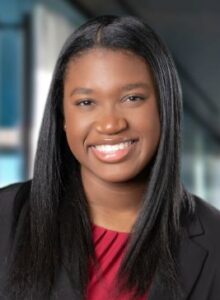
NC Community College System interim president, Bill Carver (pictured above right), and North Carolina Independent Colleges and Universities president, Hope Williams (pictured above left), recently signed the Teacher Education/Educator Preparation Uniform Articulation Agreement following votes of approval by both sectors’ governing boards.

“This agreement opens the door for community college students wanting to pursue a teaching career,” Carver said. “It will provide a pathway for future teachers in which all of the credits from the associate degree transfer to an independent college or university in North Carolina. Partnerships like this will help address the teacher shortage in our state.”

“Educating teachers is one of the reasons so many of North Carolina’s private colleges and universities were founded,” Williams said. “This agreement builds on that legacy and history. Today, as many of our teachers reach retirement age, the need for a pipeline of teachers in North Carolina is even more important.”

The agreement is an extension of the Independent Comprehensive Articulation Agreement that was signed by the two sectors in mid 1990s and will provide a progression degree plan that includes required general education and prerequisite courses that are acceptable to all signatory programs.

The NCICU Board approved the agreement on Oct 20, 2020, and the State Board of Community Colleges approved it on Nov. 20, 2020. The agreement is effective with the 2020 fall semester.

Currently, 32 community colleges offer the Associate in Arts in Teacher Preparation and the Associate in Science in Teacher Preparation and are participating in the agreement. Thirty-one NCICU campuses have Educator Preparation Programs approved by the N.C. State Board of Education and most campuses are expected to sign onto the agreement in the coming weeks.

ALL NEWS

NCICU Celebrates Graduation Ceremonies Across 36 Colleges & Universities

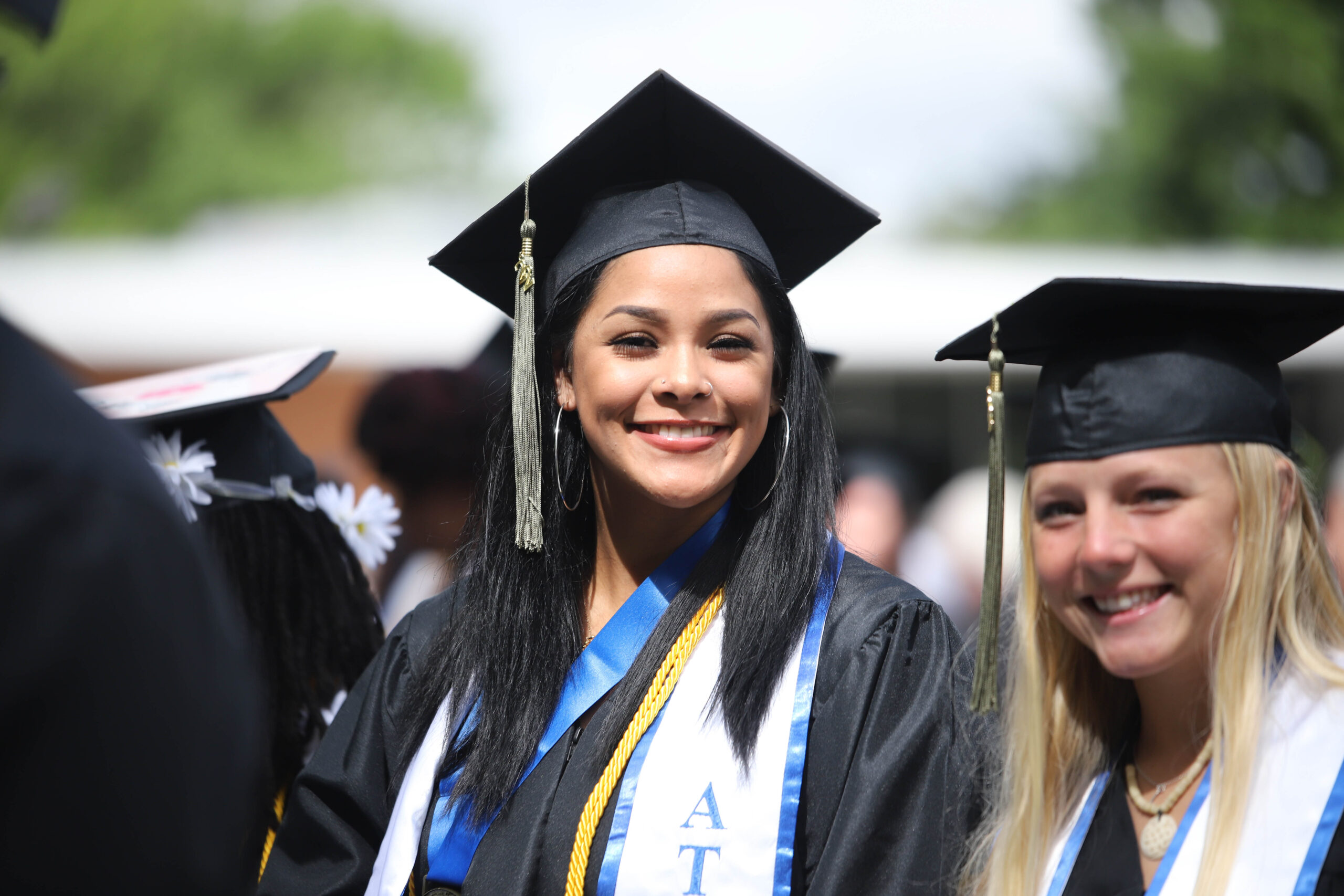
The month of May marks a season of profound celebration across North Carolina as the 36 campuses of North Carolina Independent Colleges and Universities (NCICU) hold their Spring 2026 commencement ceremonies. This year, more than 80,000 students are enrolled across our institutions, and thousands of those scholars will cross the stage to become the next generation of leaders in our state’s workforce and communities.

“Commencement recognizes the transformative impact of higher education,” said NCICU President Hope Williams. “We are incredibly proud of our independent college and university graduates and their achievement of academic excellence. These ceremonies celebrate not only their individual success but also the bright future they will ensure as leaders in North Carolina.”

The 2026 graduation season kicked off in late April and continues through late May, featuring a diverse range of ceremonies from our historic liberal arts colleges, HBCUs, and women’s colleges to our comprehensive research universities.

The schedule for the Spring 2026 commencement ceremonies is as follows:

Click here to learn more about each of NCICU’s campuses and the unique opportunities they provide. Congratulations to the Class of 2026!

blog-featured-image

Thousands of Public High School Seniors Get Expanded Access to Higher Education through NC College Connect

More than 23,000 public high school seniors have accepted direct admission offers from North Carolina colleges and universities through the NC College Connect program.

Between August 2025 and January 2026, students accepted more than 88,000 offers from participating colleges and universities in the second year of the direct admissions program.

That means approximately 21% of the Class of 2026 accessed higher education through NC College Connect.

“Participating in NC College Connect ensures students know all their options, including the excellent educational opportunities in our sector,” said Dr. A. Hope Williams, president of NCICU, the statewide office for North Carolina’s 36 private, nonprofit colleges and universities. “We launched our direct admission program in 2024, with outstanding support from school counselors, principals, and superintendents and are happy to join our public-sector colleagues in NC College Connect this year. The outpouring of applications shows that there is strong demand for what our colleges and universities offer, and that is a win for students, our colleges and universities, and our state. ”

Seniors at North Carolina public high schools are eligible for NC College Connect if they have a weighted grade point average of 2.8 or above and meet certain course requirements. Based on their qualifications, each student was offered automatic admission to a select list of North Carolina colleges and universities – with no need to complete a traditional application.

“A key pillar of our plan to make North Carolina public schools the best in the nation is ensuring our students have clear pathways for postsecondary success,” said State Superintendent of Public Instruction Maurice “Mo” Green. “NC College Connect provides students with a simple process for learning about colleges where they meet the admissions criteria. That so many students have taken advantage of this opportunity is incredibly exciting.”

The program is a collaboration between the North Carolina Department of Public Instruction, the UNC System, the North Carolina Community College System, North Carolina Independent Colleges and Universities, the North Carolina State Education Assistance Authority and College Foundation Inc.

“All North Carolinians benefit when we nurture the talent and ambition of our young people,” said Peter Hans, president of the University of North Carolina System. “NC College Connect makes it simpler than ever for promising high school graduates to keep learning, keep striving, and keep contributing to our state.”

This year, 11 of the state’s public universities participated, as well as 29 private colleges and universities and all 58 NC community colleges.

“The success of NC College Connect this year is a testament to the collaboration between state education sectors, partners and nonprofits,” said Dr. Jeff Cox, president of the North Carolina Community College System. “This program is showing students that they have what it takes to go to college, and it’s making it easier than ever for them to access these opportunities.”

The popularity of NC College Connect also contributed to the success of College for North Carolina’s (CFNC) College Application Week in October, when many North Carolina colleges and universities waive their application fees. More than 117,000 college applications were submitted during the week through CFNC and the Common App, an 8.7% increase over 2024.

“It’s encouraging to see so many students taking advantage of College Application Week and NC College Connect to apply to college,” said Mary Shuping, executive director of the North Carolina State Education Assistance Authority, the primary sponsor of CFNC. “North Carolina continues to lead the way when it comes to making sure that the most students have a chance to attend college and fulfill their dreams.”

One of the most important ways to reduce barriers to students applying to college is encouraging them to fill out the Free Application for Federal Student Aid (FAFSA). This form is the gateway to financial aid for students looking to make paying for college more manageable. CFNC has dubbed this month FAFSA February in an effort to highlight the importance of this crucial step in the college-going process. A toolkit with resources for education professionals who work with students can be found at CFNC.org/FAFSAFeb.

Launched in fall 2024 with a pilot program, NC College Connect impacted over 3,000 students. NCICU also launched a pilot program in 2024.

The program was expanded for the 2025-26 school year to include independent colleges and universities, as well as additional UNC System schools.

NC College Connect will return for the 2026-27 academic year. Qualifying seniors will receive letters notifying them of their eligibility in the fall.

Visit NCCollegeConnect.org for more information about the program.


What students are saying

Bryson Foye, Page High School (Guilford County Schools)
“The website made it simple to find and see different colleges that offer my major and or minor, and the different types of majors I never even knew existed. I like how everything was organized and explained clearly, especially the sections about applications and financial aid. It helped me understand what steps I need to take after graduation and made the college process feel so much less stressful. Overall, NC College Connect was useful as a resource that gave me a lot more confidence about the next steps I have to take in life involving college.”

Nora Lippard, Enka High School (Buncombe County Schools)
“If I were to give advice to next year’s students, I’d tell them to definitely use NC College Connect because it’s super easy to navigate and is an easy, stress-free way to get into college. It breaks down the whole application process so that it doesn’t feel overwhelming. Plus, it’s a great tool for students who might not feel motivated. It keeps things simple and easier to stay focused and take the next steps towards your future.”

Walter Royster, Franklinton High School (Franklin County Schools)
“I chose to use this route because I had already been offered direct admission through NC College Connect. It was also a simplified process to initiate applying to colleges and it connected me with information about colleges all in one place. NC College Connect positively impacted my postsecondary plans by helping me identify my options.”


blog-featured-image

Johnson C. Smith University Makes History as First HBCU to become NCICU Ethics Bowl Champion

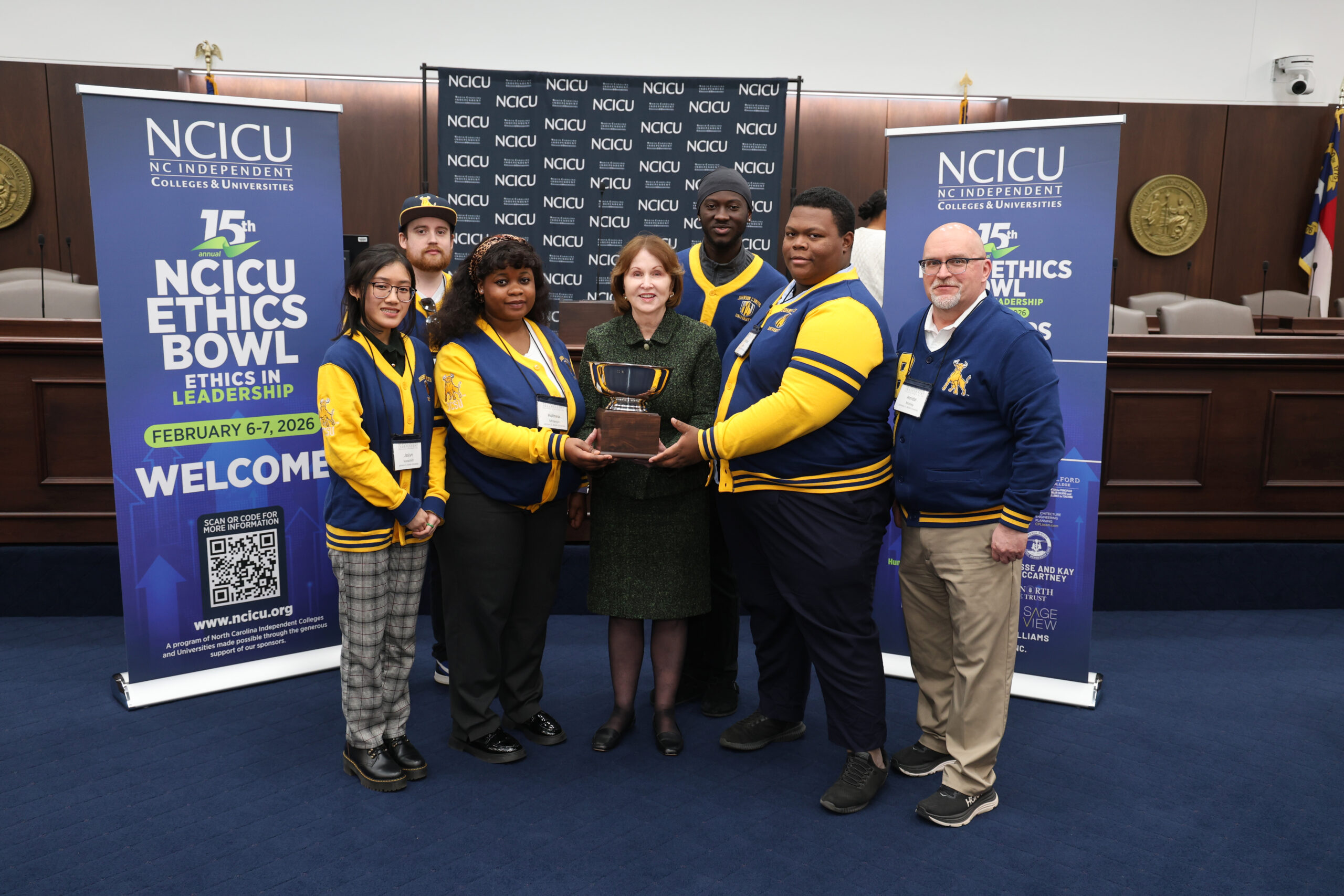
North Carolina Independent Colleges and Universities (NCICU) celebrated an important milestone this weekend as student teams from across the state gathered at the North Carolina Legislative Complex for the 15th Annual Ethics Bowl. This year’s competition, centered on the theme “Ethics in Leadership,” culminated in a historic first as Johnson C. Smith University became the first Historically Black College/University (HBCU) to reach the finals and prevail as champion.

The competition brought together 17 student teams for two days of arguments on their positions on the cases and critical analysis of complex ethical dilemmas. Final scores were tallied, semi-finalists were announced, and the two matches were set: NC Wesleyan University and Wingate University were paired, as were Catawba College and Johnson C. Smith University. NC Wesleyan met Johnson C. Smith in the final round.

“The Ethics Bowl is a showcase of the NCICU experience, and Johnson C. Smith’s team presentations during our 15th anniversary year were outstanding,” said NCICU President Dr. A. Hope Williams. “This event highlights the intellectual rigor and leadership potential across our 36 campuses. We are incredibly proud of all our participants for their ability to navigate difficult ethical landscapes with integrity, collaboration, and profound critical thinking.”

The event kicked off on Friday, including an evening keynote address from North Carolina Superintendent of Public Instruction Mo Green. Drawing on his extensive career in public service, Superintendent Green shared personal experiences on the challenges to ethical leadership, encouraging students to maintain their core values throughout their professional journeys.
This year’s event also marked a technological leap for the competition. Supported by a capacity-building grant from the Council of Independent Colleges, NCICU implemented a digital scoring system, providing judges with tablets for real-time submission and faster tabulation of results.

The 15th anniversary also served as an opportunity to honor long-time supporters. NCICU recognized four individuals who have served as judges since the event’s inception in 2012: Myra Best (Executive Director, digiLEARN), Mike Davis (Mike Davis Public Relations, Inc.), Brooks Raiford (NC Technology Association), and Jack Frost (Retired, Truist).

Additionally, NCICU recognized four campus coordinators for their service in this integral role since the Ethics Bowl’s inception. Dr. Adam C. English and Dr. Ken Vandergriff of Campbell University, Dr. Amy MacArthur of High Point University, and Dr. Mark Wells of Montreat College celebrated their consistent years of service and dedication to the event, their campuses, and their students.

The success of the 2026 Ethics Bowl was made possible by the Independent College Fund of North Carolina (ICFNC), the fundraising arm of NCICU, which raised almost $80,000 in sponsorships. NCICU extends its deepest gratitude to the 2026 sponsors:

Aramark, BHDP, The Budd Group, Coca-Cola Consolidated, Cherry Bekaert, The Council of Independent Colleges, CPL, Duke Energy, Fortinet, French Broad Electric, Guilford College Center for Principled Problem Solving, Huntington National Bank, IMA Financial Group, Jesse and Kay McCartney, Mt. Olive Pickle Company, NFP, Old North State Trust, Piedmont Natural Gas Foundation, Liz and Steven Riley, Sageview, Truist Bank, A. Hope Williams, and the Wren Foundation.

Click here for more information about the annual NCICU Ethics Bowl and its history.
Click here to view the 2026 NCICU Ethics Bowl photo gallery.

blog-featured-image

NCICU Fall Presidential Transitions

North Carolina Independent Colleges and Universities (NCICU) acknowledges the recent presidential leadership changes at Belmont Abbey College, Queens University of Charlotte, and Saint Augustine’s University. These transitions underscore the continuity of strong leadership across North Carolina’s private and nonprofit higher education sectors.

Key leadership transitions include:

Belmont Abbey CollegeDr. Joseph F. Wysocki serves as the Interim President of Belmont Abbey College.
Queens University of Charlotte – Mr. Jesse Cureton is the Acting President of Queens University of Charlotte.
Saint Augustine’s University — Dr. Verjanis A. Peoples has been appointed Interim President of Saint Augustine’s University.

NCICU congratulates these presidents on their new roles!

blog-featured-image

NCICU Welcomes Students for the Start of the 2025-26 Academic Year

This fall, all 36 North Carolina Independent Colleges & Universities (NCICU) campuses opened their doors to a new academic year. From the picturesque settings of Lees-McRae College and Montreat College to the urban landscapes of Elon University and High Point University, students are eagerly stepping onto campuses brimming with opportunities for growth and success.

Below is a list of class start dates from each NCICU campus:

With classes commencing on various dates throughout the month, these institutions are gearing up to offer unparalleled educational experiences to their diverse student bodies. NCICU campuses are renowned not only for academic excellence but also for their commitment to affordability. Understanding the financial challenges students and their families face, each NCICU campus ensures that its top-notch education is accessible without the burden of overwhelming financial stress. In addition to financial aid, each campus provides a range of support services to ensure students’ success. These services are made possible through the Institutional Aid that each campus offers, along with the NC Need-Based Scholarship and Federal Pell Grant.

As the first days of class unfold across the NCICU campuses, a sense of anticipation fills the air, heralding a year of academic achievement, inspiring personal growth, and boundless opportunities. North Carolina’s independent colleges and universities invite students to embark on this exciting venture and pursue their dreams with tireless dedication and enthusiasm.

Click here to learn more about NCICU’s 36 campuses.

blog-featured-image

NCICU Celebrates 2025 Counselors Tour and Charts a Forward-Thinking Path

North Carolina Independent Colleges and Universities (NCICU) celebrates the successful conclusion of the 2025 Counselors Tour. This week-long journey showcased 11 private, nonprofit colleges and universities to nearly 20 high school counselors. The annual tour – a cherished tradition for over 50 years – has long connected school counselors with NCICU campuses to help students find their “best fit” for college. The 2025 tour, which focused on Eastern NCICU campuses, capped off a long tradition of rotating through NCICU’s 36 campuses in three regions (Eastern, Central, Western). This year’s tour featured enthusiastic campus welcomes, engaging programs, and a spirit of collaboration that reflects NCICU’s commitment to educational access and innovation.

Independent colleges and universities and our high school counselors have a shared mission – to help students discover the college where they will thrive. The Counselors Tour has exemplified that partnership, helping students find their ‘right fit’ and contributing to the state’s education attainment goals,” said NCICU President Dr. A. Hope Williams. “North Carolina’s independent colleges are working with our partners to increase college access, improve the quality of life of our graduates, meet workforce needs, and prepare the next generation of leaders. As we look ahead, we are pursuing innovative ways to connect students with opportunities – and we are doing it with counselors, campuses, and statewide partners.”

Tour Highlights: 11 Campuses in One Inspiring Week
From June 22 to 27, 2025, counselors traveled across Eastern North Carolina, visiting a wide range of NCICU campuses. Highlights included a kickoff reception at the NCICU location in Raleigh and visits to 11 campuses where counselors experienced campus life firsthand. The tour stops featured interactive sessions with admissions teams, senior leadership, faculty and staff, and students, providing counselors with a deeper insight into each school’s unique programs and opportunities for students.

  • William Peace University (Raleigh): Hosted the opening breakfast and campus tour, setting an energizing tone for the week.
  • Meredith College (Raleigh): Welcomed counselors with lunch and a showcase of new programs. Meredith’s President Aimee Sapp thanked counselors for the crucial role they play in “planting the idea of what’s possible” for students.
  • Shaw University (Raleigh): Shared its rich history and student success stories over an afternoon program.
  • Campbell University (Buies Creek): Provided dinner and a morning program highlighting its academic offerings and community spirit.
  • University of Mount Olive (Mount Olive): Provided counselors with a tour and lunch, highlighting the benefits of personalized education in a small-town setting.
  • Methodist University (Fayetteville): Offered a special evening activity and overnight stay, followed by a breakfast panel on student engagement and leadership.
  • Barton College (Wilson): Hosted a luncheon and showcased its close-knit campus and programs.
  • North Carolina Wesleyan University (Rocky Mount): Provided dinner and an overnight stop, plus a morning session on innovative teaching approaches.
  • Chowan University (Murfreesboro): Welcomed the group with lunch and highlights of its supportive campus community.
  • Louisburg College (Louisburg): Featured the traditional closing celebration, marking the final night of the tour.
  • Duke University (Durham): As the final stop, counselors visited Duke’s iconic campus for a program and lunch, learning how this leading research university empowers students to lead and innovate.

“We are incredibly thankful to our campuses for rolling out the red carpet and to the counselors who invested their time in this journey,” said Rebecca Leggett, NCICU’s Director of Programs and Special Assistant to the President – and the lead organizer of the tour. “This tour has always been about building relationships. Seeing counselors engage with our campus communities and leaders and experience the campus environments reinforces how committed we all are to helping students find the right college fit. We will always value our high school counselors and the critical work they do. As we evolve our programs, our message to counselors is the same: we’re here to support you and your students. Together, we’ll continue finding creative ways to connect students with the life-changing opportunities available at our independent colleges.”

A Legacy of Partnership and Impact
The NCICU Counselors Tour dates back to the 1970s, when it was launched in partnership with college admissions deans to help counselors envision and experience North Carolina’s private, nonprofit colleges and universities. For decades, this in-person tour was the premier way for counselors to learn about campus offerings beyond brochures, fostering countless connections that helped students and families in their college search.

With more than 50 years of tours, NCICU is proud of this legacy of engagement. More than a thousand counselors have participated over the decades, visiting campuses large and small, and in turn guiding generations of students toward higher education opportunities.

Forward-Thinking Approach: New Initiatives to Advance Access
While celebrating the tour’s legacy, NCICU recognizes the changing times and will pause the Counselors Tour to reimagine new opportunities to connect counselors with colleges in today’s environment. NCICU’s forward-thinking approach means evolving beyond the traditional bus tour to more efficient and far-reaching initiatives that continue to strengthen the bridge between high schools and independent colleges.

Among the bold steps NCICU has taken was the launch of the NCICU Direct Admission Program in 2024, which dovetailed with its participation in this year’s NC College Connect Program.

Even as the tour pauses, NCICU will continue to publish and distribute the annual NCICU Counselors Handbook to inform counselors about all 36 NCICU campuses. This comprehensive guide, mailed to over 1,000 school counselors statewide, includes the latest information on academic programs, admissions contacts, and financial aid. NCICU’s website also features virtual campus tours, allowing counselors to explore campuses and share insights with students year-round, conveniently.

Sustaining a Commitment to Affordability and Collaboration
All of NCICU’s efforts are grounded in a commitment to educational access and affordability for students in North Carolina. By collaborating with key partners like CFNC, the North Carolina State Education Assistance Authority (NCSEAA), and myFutureNC, NCICU works to ensure students not only gain admission but can also afford to attend the college that best fits their goals. NCICU actively promotes financial aid opportunities, including the North Carolina Need-Based Scholarship, federal Pell Grants, and substantial institutional aid offered by NCICU campuses.

Looking ahead, NCICU’s collaborative spirit with organizations across the state aligns the Counselors Tour’s underlying mission with the state’s broader educational attainment goals. Every direct admission letter sent, every counselor connection made, and every scholarship dollar secured contributes to that statewide vision. NCICU’s forward-thinking approach ensures that even as one chapter closes with the pause of the traditional tour, new and innovative chapters are written to continue the work of expanding college access.

In a time of rapid change in education, NCICU’s proactive approach stands as a testament to its mission. The 2025 Counselors Tour was not just a grand finale for a storied program – it was a celebration of partnership and progress, and a springboard into a new era of collaboration to help North Carolina’s students achieve their college dreams.

blog-featured-image

NCICU Expands College Access through NC College Connect

New direct admission program offers eligible students a streamlined pathway to higher education

Starting this fall, more than 62,000 North Carolina public high school seniors will be offered direct admission to select institutions in North Carolina as part of the NC College Connect program. NC College Connect provides a simpler and faster way for eligible seniors to be admitted to colleges and universities in North Carolina.

“We are committed to being part of this joint initiative, bringing the unique strengths and characteristics of our independent colleges and universities—with locations across the state, small class sizes, specialized programs, and personalized attention—into this streamlined pathway for students,” said NCICU President Dr. A. Hope Williams. “With 29 NCICU campuses participating this year, we believe this expansion of college access will help over 62,000 students find their ‘right fit’ and will also contribute to meeting the state’s myFutureNC educational attainment goal.”.

Public high school students who complete their junior year with a weighted GPA of 2.8 or above and meet the NC College Connect requirements will be eligible. Participating institutions include a number of North Carolina independent colleges and universities and UNC System universities, and all North Carolina community colleges. A full list of participating institutions can be found below.

Eligible high school students entering their senior year will receive an official NC College Connect letter in the mail this fall, offering them direct admission for the 2026-27 academic year. Students can also check their eligibility by visiting NCCollegeConnect.com and logging into the portal or speaking with their high school counselors.

“NC College Connect represents a fundamental shift in how we approach college admissions in North Carolina,” said Peter Hans, President of the University of North Carolina System. “We started this initiative with a simple question: how can we make the path to college clearer for students who are ready to succeed? By eliminating unnecessary complexity, we’re ensuring that college-ready students can focus on choosing the right institution for their goals, not navigating bureaucratic hurdles.”

NC College Connect began as a pilot program last year, offering a simplified process to more than 70,000 students and creating a path to college for our state’s seniors. Likewise, NCICU launched its Direct Admission Program last year with the support of North Carolina district superintendents and high school principals. This year’s program has expanded to more colleges and universities and has made the process more streamlined for students by directly admitting them to colleges where they’re eligible.

“This is a defining moment for North Carolina education,” added Maurice “Mo” Green, State Superintendent of Public Instruction. “When our entire education community works together like this, students win. NC College Connect removes barriers and creates clear pathways to college for thousands of our students.”

To learn more about the program and confirm admission at select colleges and universities, eligible students should visit NCCollegeConnect.org. There, they will see a “Claim Your Spot” button and can login to the NC College Connect portal to see the institutions where they have been offered direct admission. Students are encouraged to confirm their admission to institutions during College Application Week, October 20-26, 2025, to avoid most application fees.

“NC College Connect is making it easier than ever for students to take that first step toward a college education,” said Dr. Jeff Cox, President of the North Carolina Community College System. “By removing barriers and simplifying the process, we’re helping more students access the life-changing opportunities our community colleges provide—close to home and at a price they can afford.”

North Carolina has also invested resources to ensure that students have financial aid opportunities to help pay for college. This includes opportunities such as the Next NC Scholarship, which helps most North Carolinians from households making $80,000 or less pursue higher education by fully covering tuition and fees at any community college or more than half, if not all, of tuition and fees to attend any public university in the state.

North Carolina students attending the state’s independent, nonprofit colleges and universities may be eligible to receive the NC Need-Based Scholarship which provides financial aid for the state’s Pell-eligible and middle-income undergraduate students. Students can apply for both scholarships by completing the Free Application for Federal Student Aid (FAFSA).

In addition, admitted students who enroll in Elizabeth City State University, Fayetteville State University, University of North Carolina at Pembroke and Western Carolina University will only pay $500 per semester in tuition as part of the low-cost NC Promise plan.

Participating institutions include:

UNC System:

  • Appalachian State University
  • East Carolina University
  • Elizabeth City State University
  • Fayetteville State University
  • North Carolina Central University
  • University of North Carolina Asheville
  • University of North Carolina at Charlotte
  • University of North Carolina at Greensboro
  • University of North Carolina at Pembroke
  • Western Carolina University
  • Winston-Salem State University

North Carolina Community College System:

  • All 58 NC community colleges. Students will be automatically directed to the traditional application process for their local community college, where they have received direct admission.


North Carolina Independent Colleges and Universities:

  • Barton College
  • Belmont Abbey College*
  • Bennett College*
  • Brevard College
  • Campbell University
  • Catawba College
  • Chowan University
  • Gardner-Webb University*
  • Greensboro College
  • Guilford College*
  • Johnson C. Smith University*
  • Lees-McRae College
  • Lenoir-Rhyne University*
  • Livingstone College
  • Louisburg College
  • Mars Hill University*
  • Meredith College*
  • Methodist University
  • Mid-Atlantic Christian University
  • Montreat College
  • North Carolina Wesleyan University
  • Pfeiffer University
  • Saint Augustine’s University
  • Salem College*
  • Shaw University
  • University of Mount Olive
  • Warren Wilson College
  • William Peace University
  • Wingate University*

*These colleges and universities have additional requirements for a student to qualify for direct admission. These requirements will be noted in each institution’s NC College Connect form.

NC College Connect was created in partnership with the University of North Carolina System, North Carolina Department of Public Instruction (NCDPI), GEAR Up North Carolina, the North Carolina Community College System (NCCCS), North Carolina Independent Colleges and Universities, the North Carolina State Education Assistance Authority (NCSEAA), and the Office of the Governor. For more information about the program, please visit NCCollegeConnect.org.


ABOUT NCICU
North Carolina Independent Colleges & Universities (NCICU) is the statewide office of private, nonprofit, liberal arts and research colleges and universities. NCICU supports, represents, and advocates for North Carolina independent higher education in the areas of state and federal public policy and on education issues with the other sectors of education in the state. It also raises funds through the Independent College Fund of North Carolina for student scholarships and enrichment experiences, provides research and information to and about private colleges and universities, conducts staff development opportunities and coordinates collaborative programs. Presidents of the colleges and universities comprise NCICU’s Board of Directors.

About the UNC System:
The University of North Carolina System enrolls nearly 248,000 students at 17 institutions, including the state’s 16 public universities and the nation’s first public residential high school for academically gifted students. The UNC System is among the strongest and most diverse higher education systems in the country, with more than $2.2 billion in research expenditures and campuses that serve every region of North Carolina. Affiliate organizations include PBS North Carolina, with 12 public television stations across the state, and UNC Health, with 19 hospital campuses and an extensive healthcare network.

About the NC Department of Public Instruction:
The North Carolina Department of Public Instruction (NCDPI) is charged with implementing the state’s public school laws for pre-kindergarten through 12th-grade public schools at the direction of the Superintendent of Public Instruction and State Board of Education. The agency provides leadership and service to the state’s 115 school districts, 200+ charter schools, North Carolina’s Virtual Public School, and three residential schools for students with hearing and visual impairments.

About the North Carolina Community College System:
The North Carolina Community College System provides open-access, affordable education and workforce training, reaching all 100 counties. Serving more than 600,000 North Carolinians each year, the System acts as a critical engine for economic mobility and workforce development. With 58 colleges located within 30 minutes of nearly every resident, community colleges offer accessible pathways for high school students, adult learners, and working professionals—delivering degrees, credentials, and skills that align with today’s labor market and support long-term career success.

blog-featured-image

NCICU Applauds North Carolina’s #1 Business Ranking, Thanks Lawmakers for Partnership

North Carolina Independent Colleges and Universities (NCICU) today congratulated state leaders on North Carolina being named by CNBC as the #1 state for doing business in the nation. State leaders have praised the contributions of North Carolina’s colleges and universities in building a world-class workforce. NCICU celebrates this accomplishment and the vital partnership of the state’s private, nonprofit colleges and universities in developing North Carolina’s talent pipeline and economic strength.

“North Carolina’s recognition as the nation’s top state for business is testament to the power of education and collaboration,” said Dr. A. Hope Williams, President of NCICU. “Independent colleges and universities are proud to work together with the General Assembly and other state leaders to prepare the graduates who drive our economy forward. We appreciate our lawmakers’ support of higher education and we remain committed to helping North Carolina continue to thrive.”

Independent Colleges Drive Talent and Economic Growth
NCICU is the statewide office of the 36 private, nonprofit colleges and universities in North Carolina. NCICU institutions collectively enroll over 83,000 students from across the state, the nation, and the world. The organization’s mission is to support, represent, and advocate for independent higher education in North Carolina. NCICU works closely with government, business, and community partners to ensure student success and to drive the talent and innovation that fuel North Carolina’s economy.

NCICU highlighted several ways in which its 36 campuses contribute to North Carolina’s success:

  • Workforce Talent: NCICU campuses award nearly one in four of all bachelor’s degrees in North Carolina and one in three of all graduate and professional degrees.
  • Professional Degrees: A majority of North Carolina’s advanced professional degrees are from independent colleges, including roughly 60% of medical degrees, 65% of law degrees, 89% of physician assistant degrees, and 56% of pharmacy degrees statewide.
  • Economic Impact: North Carolina’s private colleges and universities collectively generate an economic impact of about $14.2 billion annually and employ over 66,000 North Carolinians, making the independent higher-education sector one of the state’s largest private employers.

Continuing a Strong Partnership
As North Carolina builds on its #1 business ranking, NCICU looks forward to continuing its strong partnership with policymakers to sustain this momentum.

NCICU also encourages collaboration on other important initiatives that strengthen education and communities. By working together, state leaders, independent colleges and universities and public higher education partners can continue to bolster educational opportunities and economic growth across all regions of the state.

The state’s recent #1 ranking underscores what is possible when there are strong public/private partnerships united toward a common goal.

blog-featured-image

NCICU Celebrates Student Success at 2025 Internship Luncheon

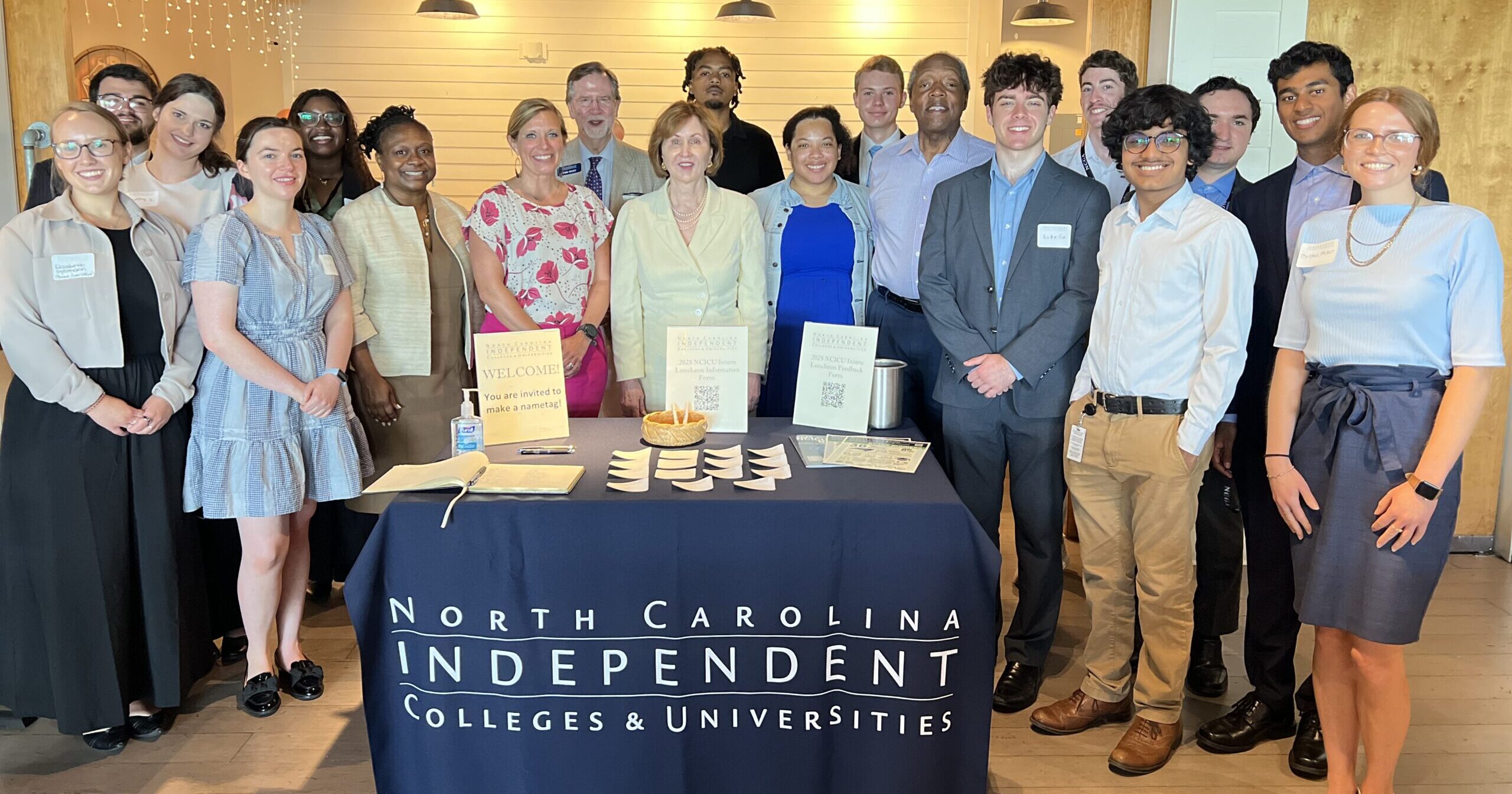
North Carolina Independent Colleges & Universities (NCICU) hosted a prestigious Internship Luncheon on July 8th at Cantina 18 in Raleigh, NC. The event was a jubilant celebration of the remarkable achievements of students from NCICU campuses who secured internships with the North Carolina legislature and the State of North Carolina Internship Program.

The luncheon was a testament to the tireless dedication and exceptional talent of the interns serving in North Carolina’s Executive, Judicial, and Legislative branches of state government. It showcased the commitment of students from private higher education institutions from various NCICU campuses, who represent the high caliber of individuals nurtured by independent, private colleges in North Carolina.

The Internship Luncheon’s success underscores the critical role private colleges play in shaping the next generation of leaders for North Carolina. By providing opportunities for practical learning and professional development, NCICU institutions prepare students to excel in diverse fields and make meaningful contributions to society.

The students who secured internships with the North Carolina legislature and the State of North Carolina Internship Program this year are:

Charlee Reagan Brown >

Cutler W. Bryant >

Ryleigh Dougherty >

Elizabeth Eyermann >

Ranjan Jindal >

Britton Miller >

Kerry Schoenling >

Luke Smith >

Colin Tierney >


Charlee Reagan Brown
Junior, Politics with a concentration in Public Administration, Harrisburg, NC
Catawba College
North Carolina Department of Environmental Quality

Back to Top >


Cutler W. Bryant
Senior, Political Science, Pembroke, NC
Campbell University
North Carolina General Assembly, House of Representatives, Speaker Destin Hall

Back to Top >


Ryleigh Dougherty
Sophomore, Biochemistry & Mathematics, Raleigh, NC
Belmont Abbey College
North Carolina Department of Health & Human Services

Back to Top >


Elizabeth Eyermann
Graduate Student, Master of Public Policy, Durham, NC
Duke University Sanford School of Public Policy
North Carolina Office of the Governor, Gov. Josh Stein

Back to Top >


Ranjan Jindal
Senior, Economics and Public Policy, Journalism minor, Greenville, SC
Duke University
North Carolina General Assembly, Senate, Sen. Dan Blue

Back to Top >


Britton Miller
Rising Second-Year Law Student, Holly Springs, NC
High Point University Kenneth F. Kahn School of Law
North Carolina Judicial Branch

Back to Top >


Kerry Schoenling
Senior, Political Science, Raleigh, NC
Wingate University
North Carolina General Assembly, House of Representatives, Speaker Destin Hall

Back to Top >


Luke Smith
Sophomore, Business Management/minor in political science, Locust, NC
Wingate University
North Carolina General Assembly, Senate, Sen. Chris Measmer

Back to Top >


Colin Tierney
Junior, Strategic Communications and Media Analytics (double-major), Apex, NC
Elon University
North Carolina General Assembly, House of Representatives, Speaker Destin Hall

Back to Top >


NCICU extends its gratitude to all interns, legislators, public servants, and corporate sponsors for their support in nurturing talent and fostering a collaborative learning environment.

Click here for more information about the NCICU Internship Luncheon.

blog-featured-image

NCICU Announces the 2025 Undergraduate Research Award Recipients

North Carolina Independent Colleges & Universities (NCICU) is proud to announce the 2025 recipients of the prestigious Undergraduate Research Award. This year, 11 outstanding students received stipends for their exemplary work in the fields of science, technology, engineering, and mathematics (STEM), as well as psychology.

The NCICU Undergraduate Research Award program supports students from NCICU’s 36 colleges and universities who are actively engaged in undergraduate research. The undergraduate research endowment, established by NCICU with generous contributions from the North Carolina GlaxoSmithKline Foundation and other corporate and foundation donors, provides stipends of varying amounts based on the types of projects undertaken by students.

These talented students, classified as juniors or seniors for the 2025-2026 academic year, have demonstrated exceptional research skills and a dedication to academic excellence. They will have the esteemed opportunity to present their projects at the annual State of North Carolina Undergraduate Research and Creativity Symposium (SNCURCS), a collaborative initiative between NCICU and the University of North Carolina, further highlighting the importance of their work.

The 2025 SNCURCS Symposium, scheduled for November 15, 2025, will be co-hosted by Elon University and Forsyth Tech Community College and will provide a platform for the award recipients to showcase their research findings and engage with scholars from across the state. More information about the symposium will be available to the participants during the upcoming summer and fall semesters.

The recipients of the 2025 NCICU Undergraduate Research Award are:

Tameka Adams >

Jake Ankrum >

Henry Berta >

Lily Cristini >

Kara Evans >

Joseph Kidwell >

Lyniah Lee >

Justin Peterson >

Jasper Schmoock >

Shauna Skow >

Jillian Zermeno >
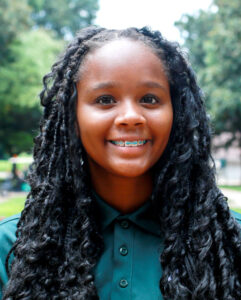

Tameka Adams
senior, psychology and criminal justice double major, Cary, NC
William Peace University

Tameka Adams’ research aims to investigate the impact of ethnicity on the perceptions of youth regarding law enforcement in the United States.

Back to Top >
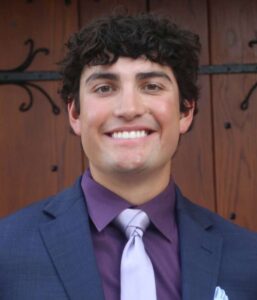

Jake Ankrum
senior, biochemistry, pre-med concentration & biology: health sciences concentration double major, Monument, CO
High Point University

Jake Ankrum’s primary objectives were to ascertain whether fluorescence in closed-form spirolactams originates from electron transfer between the xanthene core and the
lactam. It is speculated that this process is concentration-dependent, with aggregation of dimers decreasing the barriers for intramolecular charge transfer.

Back to Top >


Henry Berta
junior, environmental science major, Seattle, WA
Warren Wilson College

Henry Berta’s goal for his project is to determine whether trees can uptake microplastics through their roots in response to the significant damage caused by the uprooting of thousands of trees across Warren Wilson College’s 600-acre forest in Swannanoa, NC.

Back to Top >


Lily Cristini
junior, biochemistry major, pre-med concentration, Wake Forest, NC
High Point University

Lily Cristini’s research focuses on molecular biology, specifically examining the extreme environments in which Fungi exist, and exploring a type of cytoskeletal protein known as septins.

Back to Top >
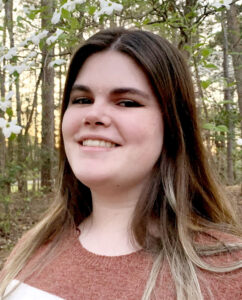

Kara Evans
junior, pharmaceutical sciences major, Mount Holly, NC
Campbell University

Kara Evans’ study aims to explore the contribution of GHSR1a signaling to the G protein and β-arrestin pathways in the release of pro- and anti-inflammatory cytokines from leukocytes, utilizing control (WT) and β-arrestin2-deficient (KO) mice.

Back to Top >


Joseph Kidwell
junior, biochemistry major, Mechanicsville, MD
Campbell University

Joseph Kidwell’s study aims to consider mutations to the serine-threonine kinase TAOK1 that have been associated with autism spectrum disorder (ASD) and neurodevelopmental delay (NDD). Currently, there are nearly 30 specific mutations that link TAOK1 to these diseases. Of them, only four have been explored with the intention of better understanding the morphological and functional consequences of the mutations.

Back to Top >


Lyniah Lee
senior, biology major, Winfield, IL
Chowan University

Lyniah Lee’s research aims to elucidate the mechanisms underlying the amyloidogenesis of human amylin by investigating the effects of various proline mutations on its amyloidogenic properties, utilizing a range of computational programs designed to predict amyloidogenicity.

Back to Top >


Justin Peterson
junior, biology major, pre-dental concentration, Edenton, NC
Chowan University

The purpose of Justin Peterson’s research is to conduct computational alanine scanning on human Transthyretin (TTR) to identify crucial residues that ensure tetramer stability and assess the mutational effects on stability associated with TTR amyloidogenesis.

Back to Top >
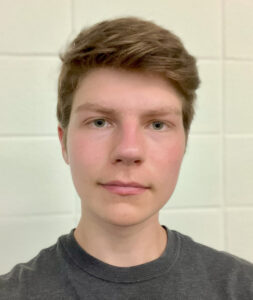

Jasper Schmoock
junior, environmental science major, Carrboro, NC
Warren Wilson College

Jasper Schmoock’s research aims to assess the significant barrier that deer herbivory presents to the regeneration of ecologically and economically valuable hardwoods, such as oaks, through a study on the impact of deer overbrowsing on the forest understory in a northern hardwood forest in northwestern North Carolina.

Back to Top >
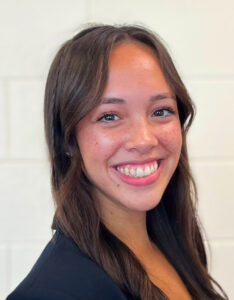

Shauna Skow
senior, biology major, pre-dental track, Forest, VA
High Point University

Shauna Skow’s research focuses on the genetic basis of morphological plasticity in Knufia (K.) petricola by targeting two key genes, SKN7 and ATG1, using CRISPR-based gene knockout techniques.

Back to Top >


Jillian Zermeno
junior, psychology major, Opp, AL
Campbell University

The purpose of Jillian Zermeno’s research is to examine the acceptability and effectiveness of wellbeing toolkits when integrated into a first-year student lifetime wellness course.

Back to Top >


Click here for more information about the Undergraduate Research Symposium.

blog-featured-image